Astoria's Waterfront Rebuilds Around Small Business
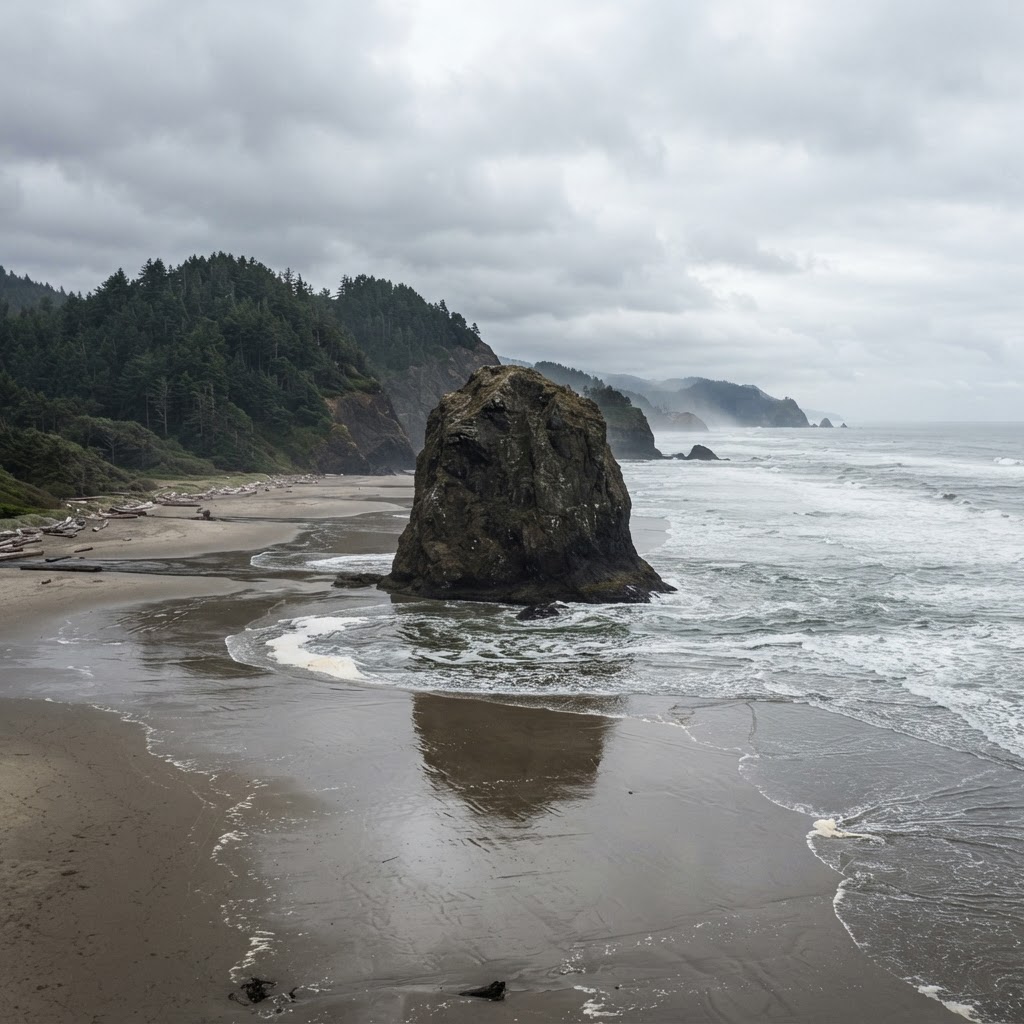
ASTORIA, OR — Astoria was built on salmon canneries, lumber and shipping, and its steep streets above the Columbia still carry that working history. What has changed is who uses the waterfront: breweries, distilleries, small hotels and the riverwalk now occupy piers that once handled fish and freight.
Independent operators
Most of the businesses downtown and on the riverfront are locally owned, and several occupy buildings that sat empty a generation ago. The Astoria Riverwalk, a restored trolley line and the Columbia River Maritime Museum anchor the visitor day.
A base for the north coast
Astoria functions as the northern gateway to the Oregon coast, with Fort Stevens, Fort Clatsop and the beaches at Seaside and Cannon Beach within a short drive. That position supports a year-round hospitality economy rather than a purely summer one.
Housing pressure
Short-term rentals and rising home prices have squeezed long-term renters, and the city has debated limits on vacation rentals as a result.
Working waterfront
Commercial fishing and the Port of Astoria remain economically important, and the city has tried to protect industrial land along the river from conversion to tourism uses.
What comes next
Several pier and mill sites are still in transition, and how they are redeveloped will determine whether Astoria keeps its working-town character as visitor demand grows.